Paint Correction · Marino RM

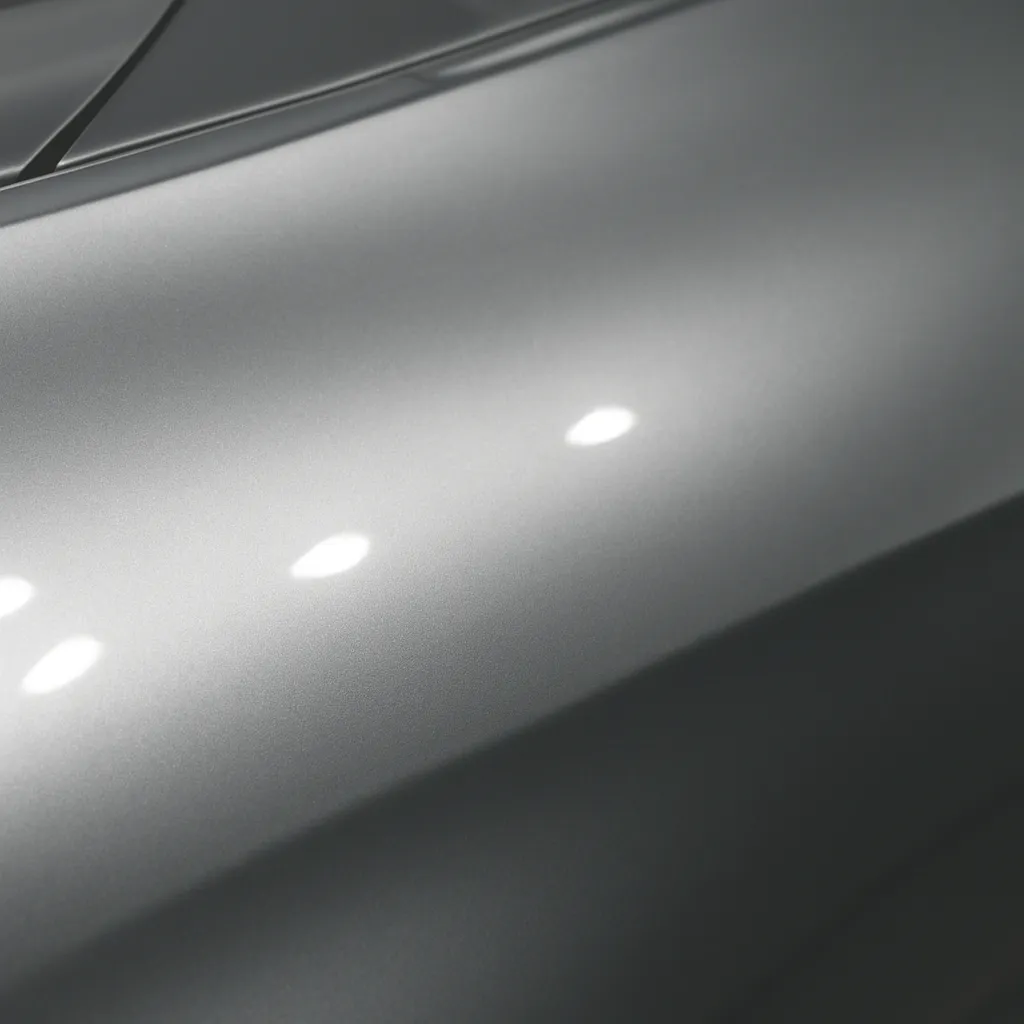
Swirl marks and dull paint are in the clear coat — not on it. That means they can be removed.

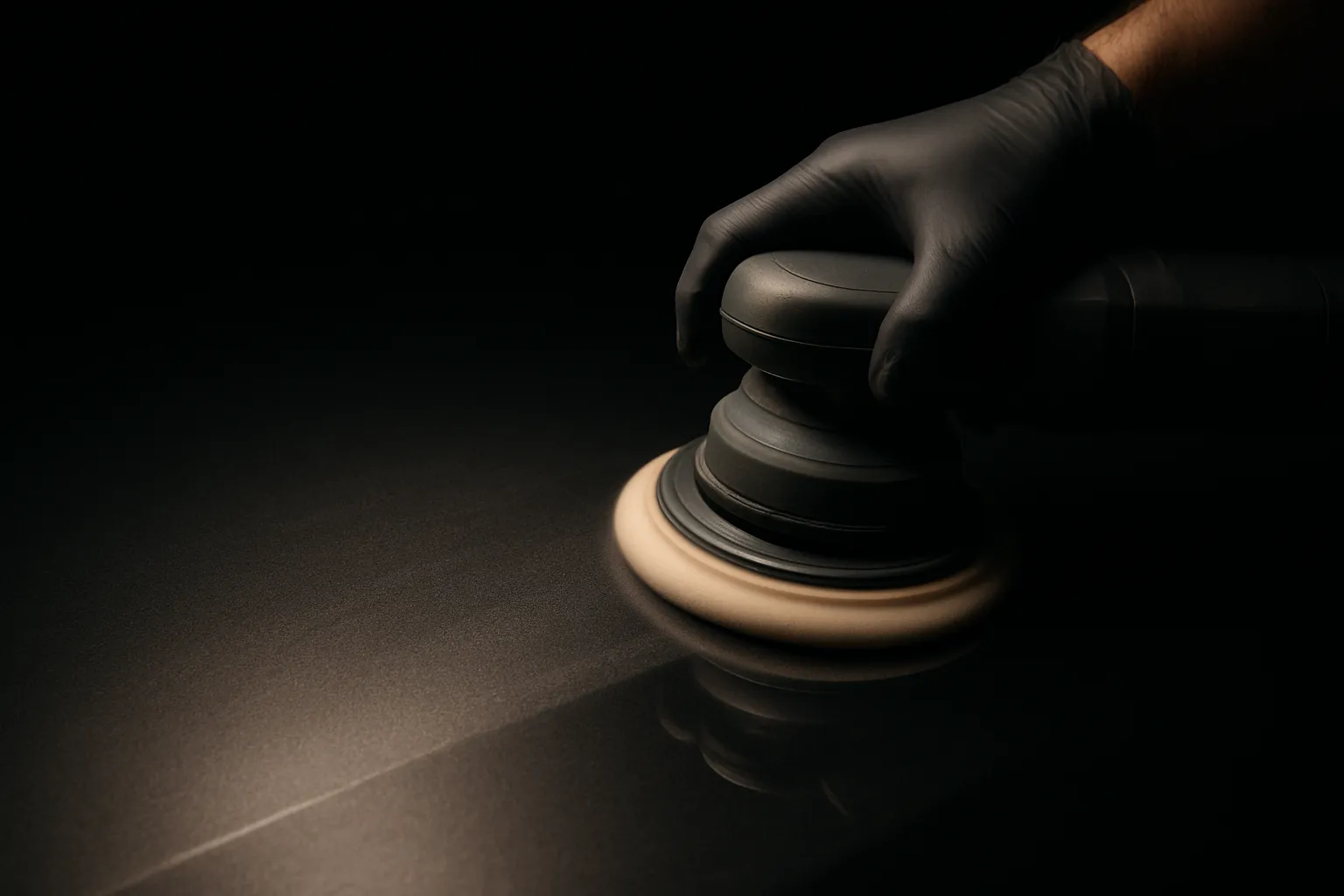
Paint correction uses machine polishing to physically remove surface defects from the clear coat — swirl marks, fine scratches, oxidation, and paint that has lost its depth. We measure paint thickness before and after. No fillers, no glazes that make the paint look corrected for a week before reverting.

What it is

The permanent fix — not a temporary disguise.

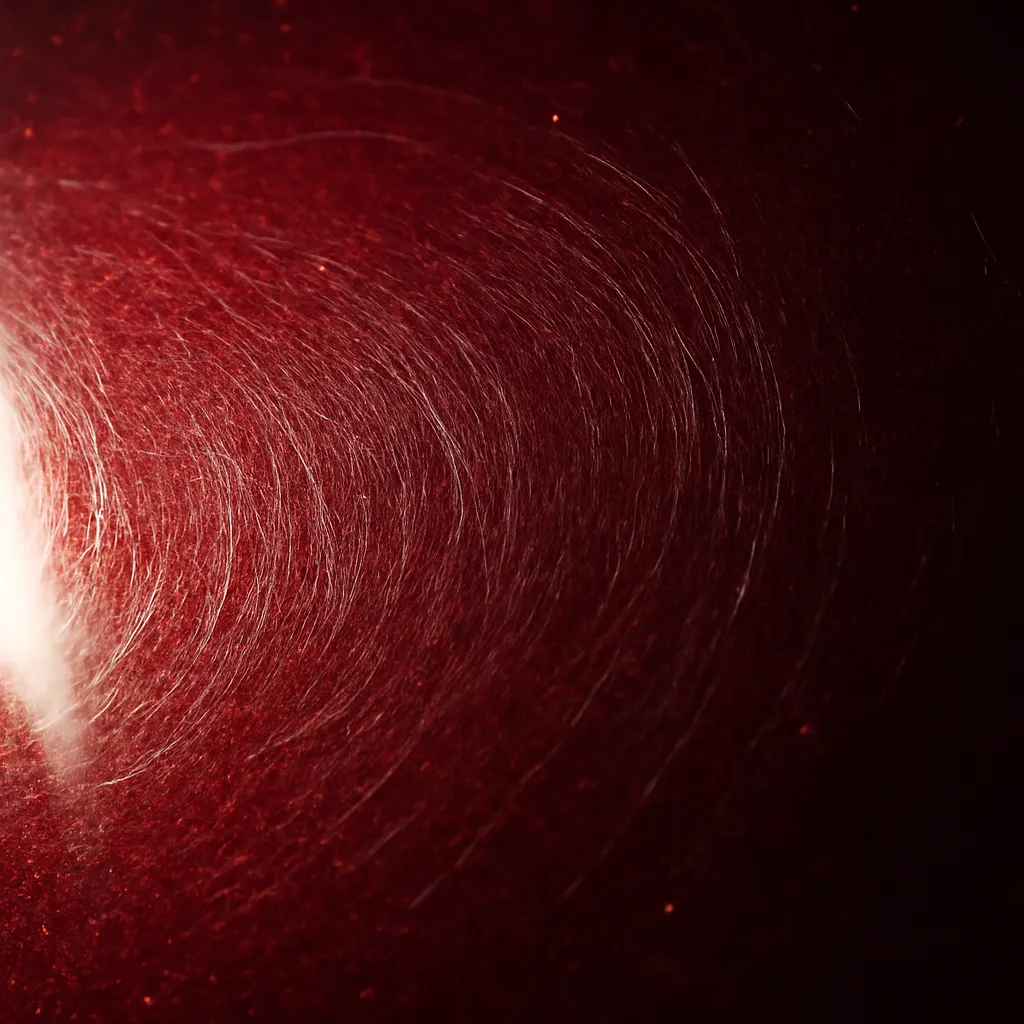
The swirl marks visible in direct sunlight are in the clear coat, the protective transparent layer over your car's color. They're caused by incorrect washing technique, automatic car washes with brushes, or a previous detailer who used a machine polisher incorrectly. Standard polishes and waxes don't remove them — they fill them temporarily with a light glaze that wears away within weeks. Paint correction is different. A trained technician uses a machine polisher with the correct combination of pad and compound to physically remove a controlled amount of clear coat — enough to level the surface past the defects, without removing more than is needed. The result is permanent, not temporary.
Is this right for you?

Paint correction is right for you if…

You can see swirl marks clearly in direct sunlight or under artificial lighting, even though the car has been washed.
The paint looks flat, hazy, or has lost the depth and clarity it had when the car was new.
The paint shows fine scratches from car wash brushes or incorrect hand washing.
You're planning ceramic coating and the paint has defects that would be locked in under the coating.
You've tried polish products at home and the results haven't lasted or haven't made a real difference.
A previous detailer has applied paint correction but the results didn't hold — which may indicate fillers were used.
What you get

Paint restored to its correct depth and clarity.
Swirl marks physically removed from the clear coat — not disguised
Fine scratches reduced or eliminated depending on their depth
Paint gloss and depth restored — the quality the paint had when correctly maintained
Paint thickness measured before and after — no guesswork about how much clear coat was removed
Surface prepared for ceramic coating if that's the next step
Full before/after documentation
The full scope

The paint correction process.

Pre-work inspection: paint assessed in proper lighting, defects mapped, paint thickness measured across panels
Full wash and decontamination: iron fallout removal, clay bar
Machine polishing: correct pad and compound selected for the paint type and defect level
Paint thickness monitoring: measured throughout the process
Panel wipe after polishing: removes all polish residue
Final inspection under proper lighting: all panels reviewed before handover
Before/after documentation: photographic record of the work

Not included: repainting, panel replacement, or repair of defects that go through the clear coat. Deep key scratches, stone chips through to the primer, and rust cannot be corrected by polishing.

How it works

Inspect. Measure. Polish. Check. Repeat until correct.

Paint inspection and mapping

In proper lighting, we assess every panel. Swirl marks, oxidation, deeper scratches, water spot etching. We measure paint thickness across the car before starting.

Wash and decontaminate

Full decontamination before any polishing. You cannot polish a contaminated surface without introducing more defects.

Machine polishing

Panel by panel. The correct combination of machine, pad, and compound is selected for the paint type and the level of correction needed. We work in sections, checking the result under lighting as we go.

Monitor throughout

Paint thickness checked regularly. Correction removes clear coat — we remove only what's needed to eliminate the defect, and no more.

Refine and finish

After the main correction pass, a finishing polish refines the surface to a high gloss. All polish oils and residue wiped clear.

Inspect and document

Final lighting check across all panels. Before/after photos. Any areas where complete correction wasn't achievable are noted and explained.

Timeline

A light single-stage correction on a car in reasonable condition might be completed in a day. Heavy correction on a car with significant swirl marks across all panels can take two to three days. We'll give you an honest timeline with your quote after we've assessed the paint.

Pricing

Paint correction pricing depends on the vehicle's size and the extent of the defects. A car with light swirl marks on two panels takes less time than one with heavy oxidation across all surfaces. We quote after assessing the paint — not before. Get a free quote and bring the car in for a look.

FAQ

Common questions about Paint Correction.

Scratches that are in the clear coat — the transparent layer over the paint — can typically be corrected by machine polishing. Scratches that go through the clear coat into the color layer or primer cannot be polished away; those require repainting. During the inspection, we'll identify which category your scratches fall into.
Paint correction removes a small amount of clear coat — the amount depends on how deep the defects are. We measure paint thickness before and during the process to ensure we remove only what's needed. Modern car paint typically has enough clear coat for multiple correction cycles over the vehicle's life.
If the paint has visible defects, yes. Ceramic coating bonds to the surface — defects underneath it are locked in. If your paint is in good condition with no significant marks, decontamination alone is sufficient preparation for coating.
A normal polish typically contains fillers that temporarily fill scratches and create gloss. The effect lasts days to weeks. Paint correction uses machine polishing to physically remove material from the clear coat — the defects are gone, not filled.
The correction itself is permanent — the defects that are removed don't come back. But the surface is still subject to new damage from incorrect washing, car parks, and road use. Protecting corrected paint with a sealant or ceramic coating significantly extends how long it stays in good condition.
Anywhere from one day for light correction on a compact car to three or more days for heavy correction on a large vehicle with extensive defects across all panels. We'll confirm the timeline once we've assessed the paint.
Get a free quote

A free quote includes an honest look at your paint.

Tell us what you've noticed about your car's paint and we'll assess the condition and tell you what correction can achieve.

A free quote includes an honest look at your paint.

Email or phone — at least one required.

We'll come back within one business day.