Ceramic Coating · Flagship Service · Marino RM

Protect the finish before you have to correct it.

Ceramic coating bonds chemically with your car's clear coat — it's not a wax that washes away and it's not a sealant that lasts a season. Applied over properly prepared paint, it repels contamination, resists UV degradation, and makes the surface significantly easier to maintain for years. We start every ceramic coating job with an inspection. The coating goes on clean, corrected paint — not over existing problems.

What it is

A chemical bond with your clear coat — not a product that sits on top.

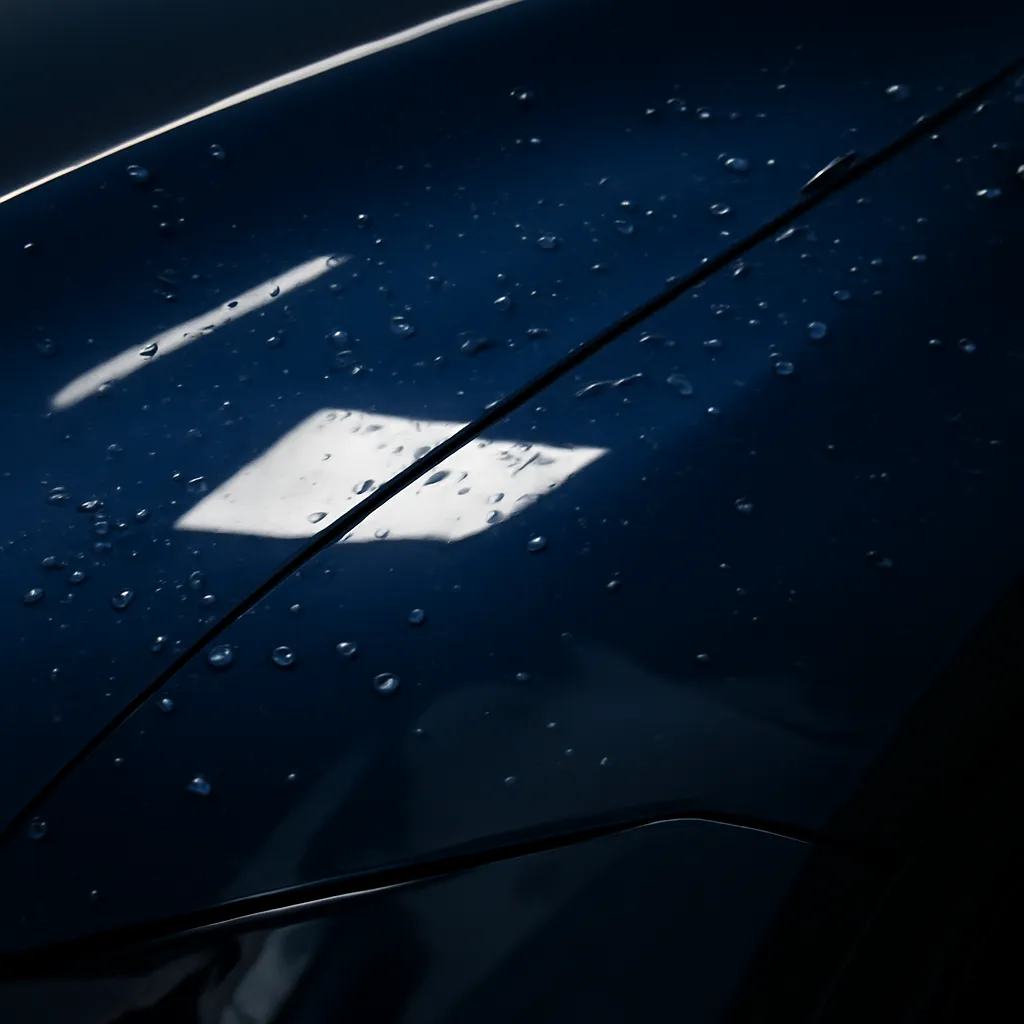
A ceramic coating is a liquid polymer that, once applied and cured, chemically bonds with the car's clear coat. Unlike a wax or spray sealant, it doesn't wash or wipe off — it becomes part of the surface. The result is a semi-permanent layer that repels water, contamination, bird droppings, and road chemicals; resists UV-induced paint fading; and produces the deep gloss and clarity the paint had when the car was new. The coating does not make your paint invulnerable. It doesn't prevent stone chips — that's what paint protection film is for. It won't hide existing swirl marks or scratches — those need to be corrected before the coating goes on. But applied correctly over well-prepared paint, it significantly changes how the surface holds up and how easy the car is to maintain.
Is this right for you?

Ceramic coating is the right choice if…

You've just bought a new or recently used car and want to protect the factory finish before UV, chemicals, and contamination degrade it.
You own a mid-to-high-value vehicle and want the paint to stay in the condition you bought it — or better.
You're tired of waxing every few months and want a surface that maintains its look with less effort.
Your paint has been corrected and you want to protect the result long-term.
You're keeping the car for several years and want to maintain its value and appearance.
You understand what ceramic coating is and is not — and you want it done correctly, not rushed.
What you get

Paint that holds up — and stays easier to clean.
Semi-permanent protection bonded to the clear coat — not a product that washes off
UV resistance: paint fading from sun exposure is significantly reduced
Chemical resistance: bird droppings, road chemicals, and environmental fallout are repelled before they etch the surface
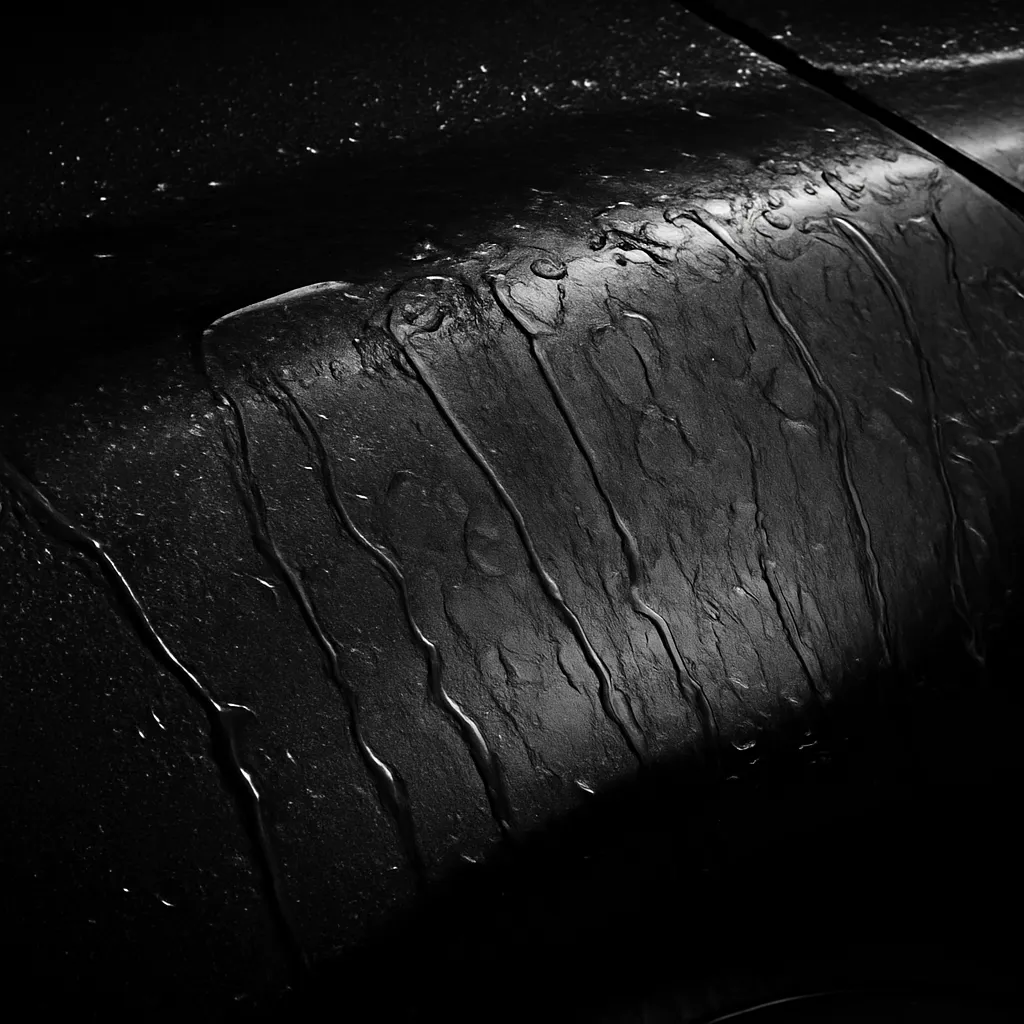
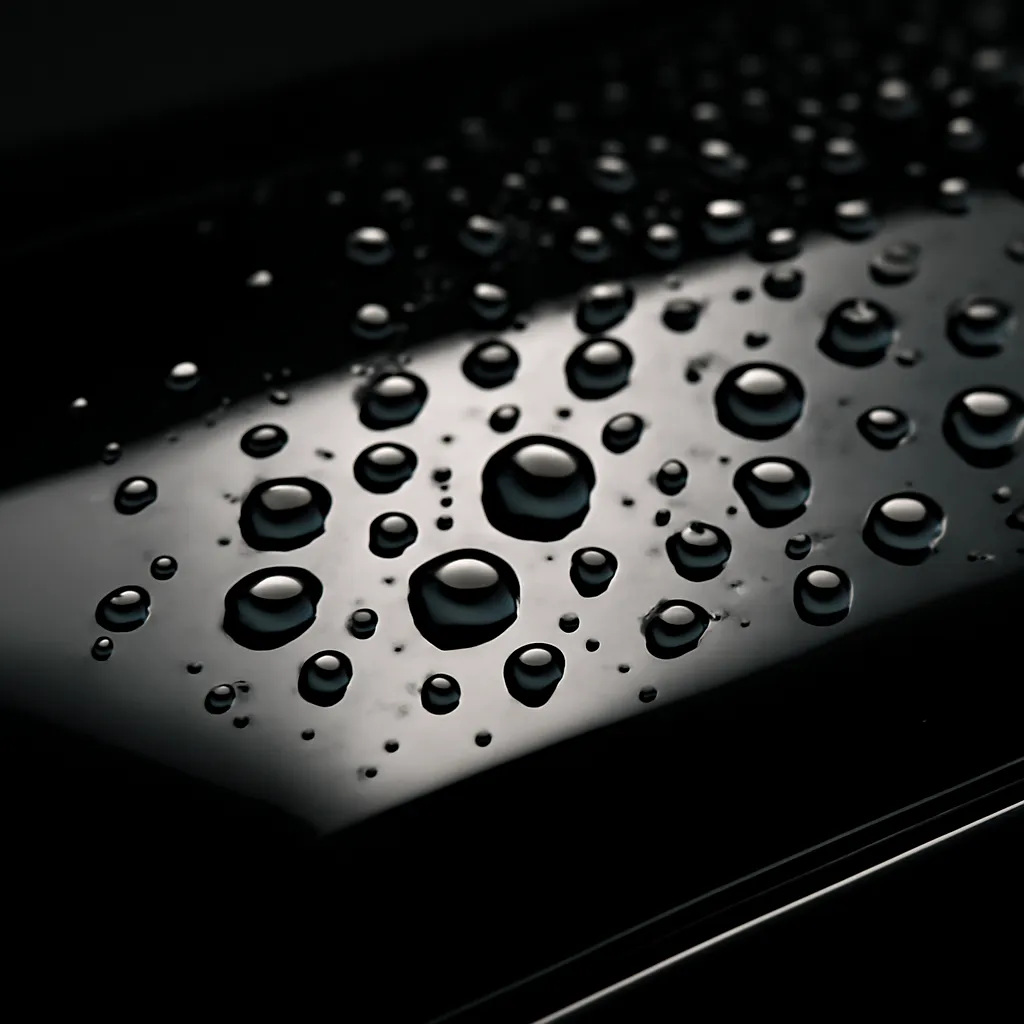
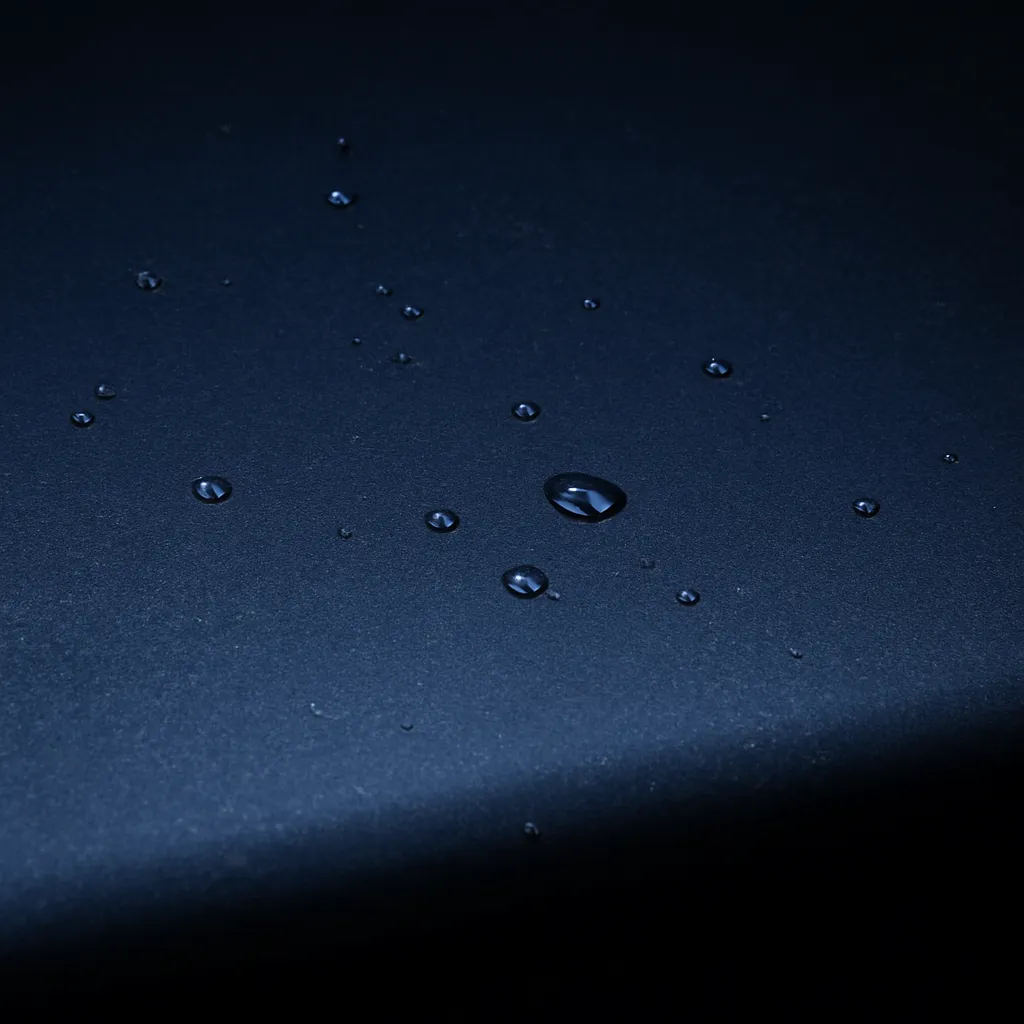
Hydrophobic surface: water sheets off rather than sitting and water-spotting
Easier maintenance: contamination doesn't bond to the surface the way it does on unprotected or wax-finished paint
Deep, maintained gloss — the paint's depth and clarity preserved rather than gradually degraded
The full scope

The full ceramic coating process.

Pre-coating inspection: paint condition assessed thoroughly across all panels — thickness measurements, defect mapping
Paint correction assessment: we'll tell you honestly whether correction is needed before coating
Full exterior wash and decontamination: snow foam, contact wash, iron fallout removal, clay bar
Panel wipe: all surfaces prepared to receive the coating
Coating application: applied panel by panel in controlled conditions
Flash time and buff: excess removed at the correct point per the product's specification
Cure period: the car remains in controlled conditions while the initial cure takes place
Quality inspection: all panels checked in proper lighting before handover
Aftercare briefing: we explain exactly how to maintain the coating correctly

We use professional-grade ceramic coating products. The specific coating applied will be confirmed at consultation, along with its rated specification, cure period, and aftercare requirements.

How it works

Inspect, prepare, correct (if needed), coat.

Inspection and paint assessment

Every coating job starts here. We examine the paint in good lighting, check paint thickness measurements across panels, map any defects, and give you an honest picture of the paint's condition.

Decontamination

Full wash followed by iron fallout treatment, clay bar decontamination, and panel wipe. The surface needs to be completely clean before any polishing or coating work begins.

Paint correction (if required)

If the paint has defects that need addressing before coating, this is when it happens. Machine polishing to remove swirl marks and surface defects, followed by panel wipe to remove all polish residue.

Coating application

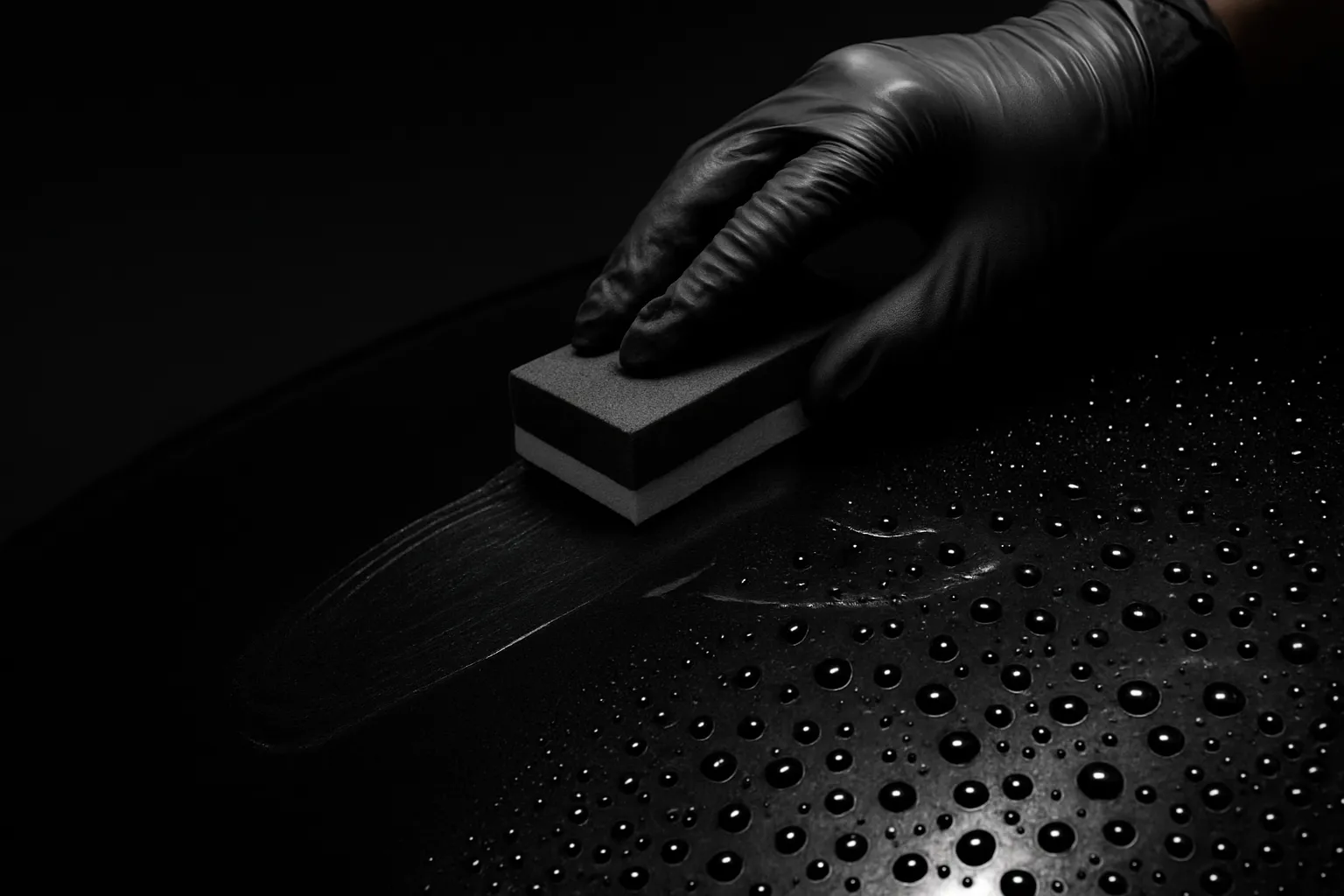
Applied panel by panel in a controlled environment — not in a dusty car park. Product is worked into the surface, allowed to flash, then carefully removed. Each panel is done correctly before moving to the next.

Cure and quality check

The car stays in controlled conditions during the initial cure period. Once cured, all panels are inspected in proper lighting — we're looking for any high spots, missed areas, or surface issues before the car is handed back.

Aftercare briefing

We go through the aftercare requirements in detail. The first few weeks are the most critical for a new coating. You'll leave knowing exactly what to do — and what not to do — to protect the investment.

Timeline

A coating-only job (paint in good condition, no correction needed) typically takes one to two days. If paint correction is required first, add one to two additional days depending on the extent of the work. We'll give you a specific timeline after the inspection.

Pricing

Ceramic coating pricing is based on the size of your vehicle and its current paint condition. A car that needs paint correction before coating takes considerably more time than one in good shape. The quote covers the full process — inspection, decontamination, correction if needed, coating, and aftercare briefing. Get a free quote to start the conversation.

FAQ

Common questions about Ceramic Coating.

Duration depends on the specific coating product used and how the car is maintained afterward. Most quality ceramic coatings are rated for multiple years — some considerably longer. We'll confirm the exact rated duration from the manufacturer's specification at consultation.
No. Ceramic coating adds hardness to the surface and makes minor scratches less likely from light contact, but it does not make the paint scratch-proof. Stone chips, keys, abrasive contact — these will still mark the surface. If physical impact protection is the priority, paint protection film is the right product.
It depends on your paint's current condition. If the paint has visible swirl marks or surface defects, those need to be corrected before coating — otherwise they're locked in under the coating. If the paint is in good shape, decontamination alone is sufficient preparation. We assess this during the pre-coating inspection.
The coating changes your maintenance routine for the better — but it doesn't eliminate maintenance. Correct washing technique matters more than it did before, because incorrect washing can scratch through the coating. We cover the full aftercare briefing at handover.
The coating hardens progressively over several days to weeks after application. The initial cure makes the car ready for careful use, but the first few weeks are when the coating is most vulnerable. We'll give you the specific cure timeline based on the product used at consultation.
No. They're completely different products that do different jobs. Ceramic coating is a liquid polymer that bonds chemically with the clear coat — it protects against UV, chemicals, and contamination. Paint protection film is a physical film applied over the paint — it absorbs impacts like stone chips. Ceramic doesn't replace PPF and PPF doesn't replace ceramic.
Generally, yes — before the paint is exposed to UV, road chemicals, and potential swirl marks from washing. New cars can still benefit from an inspection and light correction before coating, as transport and handling sometimes leave marks on the paint.
Get a free quote

We inspect the paint before committing to anything.

Ceramic coating starts with an honest look at your car's current condition. Get a free quote and we'll tell you exactly what's involved.

We inspect the paint before committing to anything.

Email or phone — at least one required.

We'll come back within one business day.