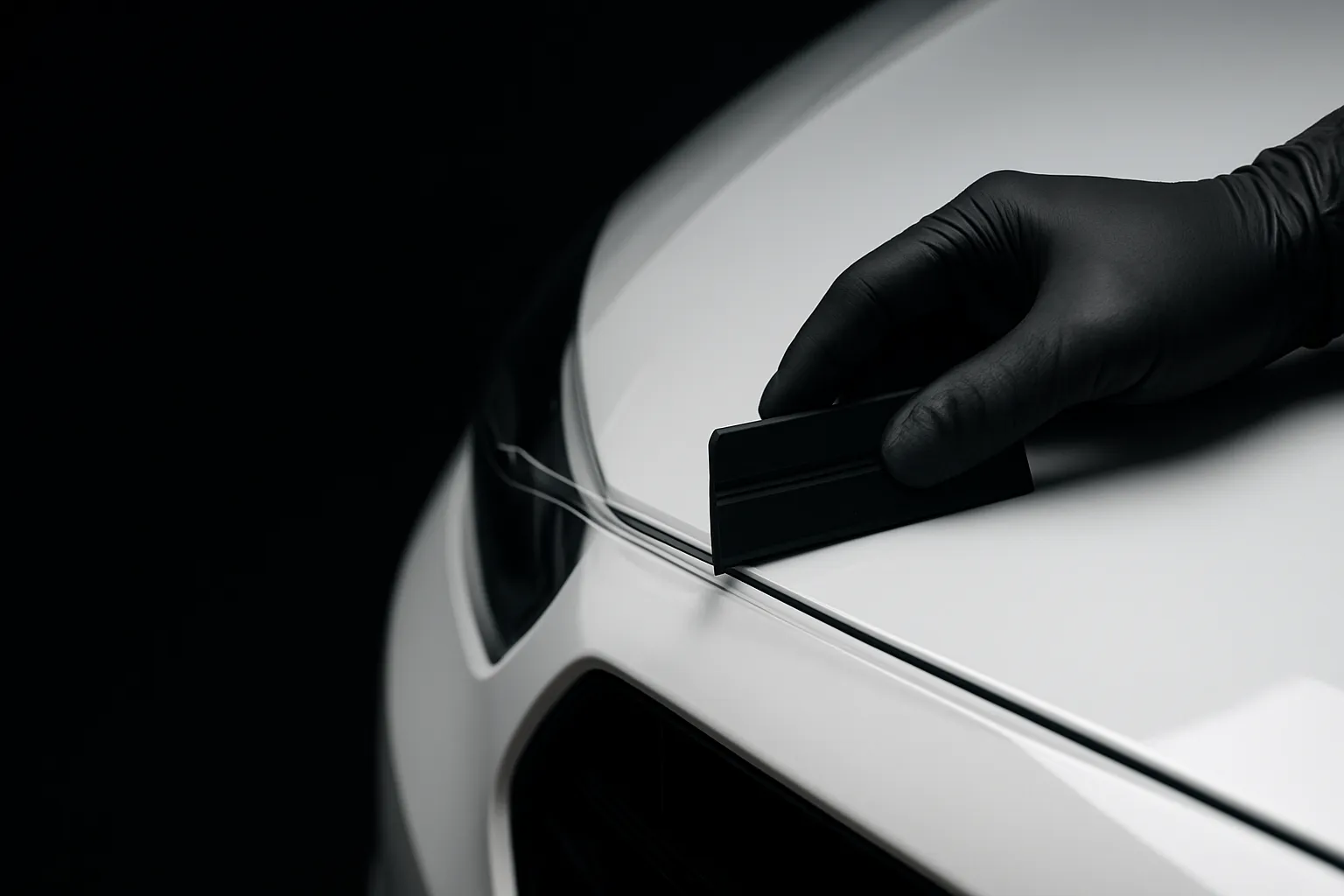
Paint Protection Film (PPF) · Marino RM
The hood catches stone chips. The bumper catches parking abrasion. PPF catches both.
Paint protection film is a physical barrier between your paint and the road. A clear, optically transparent film applied to high-impact areas absorbs stone chips, scuffs, and abrasion that ceramic coating cannot prevent. Self-healing on minor surface scratches under heat.
A physical shield for your paint. Not a coating — a film.
Paint protection film — sometimes called clear bra — is a polyurethane film applied directly to the paint surface. Once installed, it sits between your car's exterior and the road: stone chips, gravel, small debris, parking lot door dings, and daily abrasion that would otherwise mark the paint hit the film first. Most quality PPF products are self-healing — minor surface scratches in the film heal under warmth from the sun or a heat gun. PPF is not the same as ceramic coating, and it's not a replacement for it. Ceramic coating is a chemical barrier against UV, contamination, and etching. PPF is a physical barrier against impact and abrasion. They protect against different things, and they work well together.
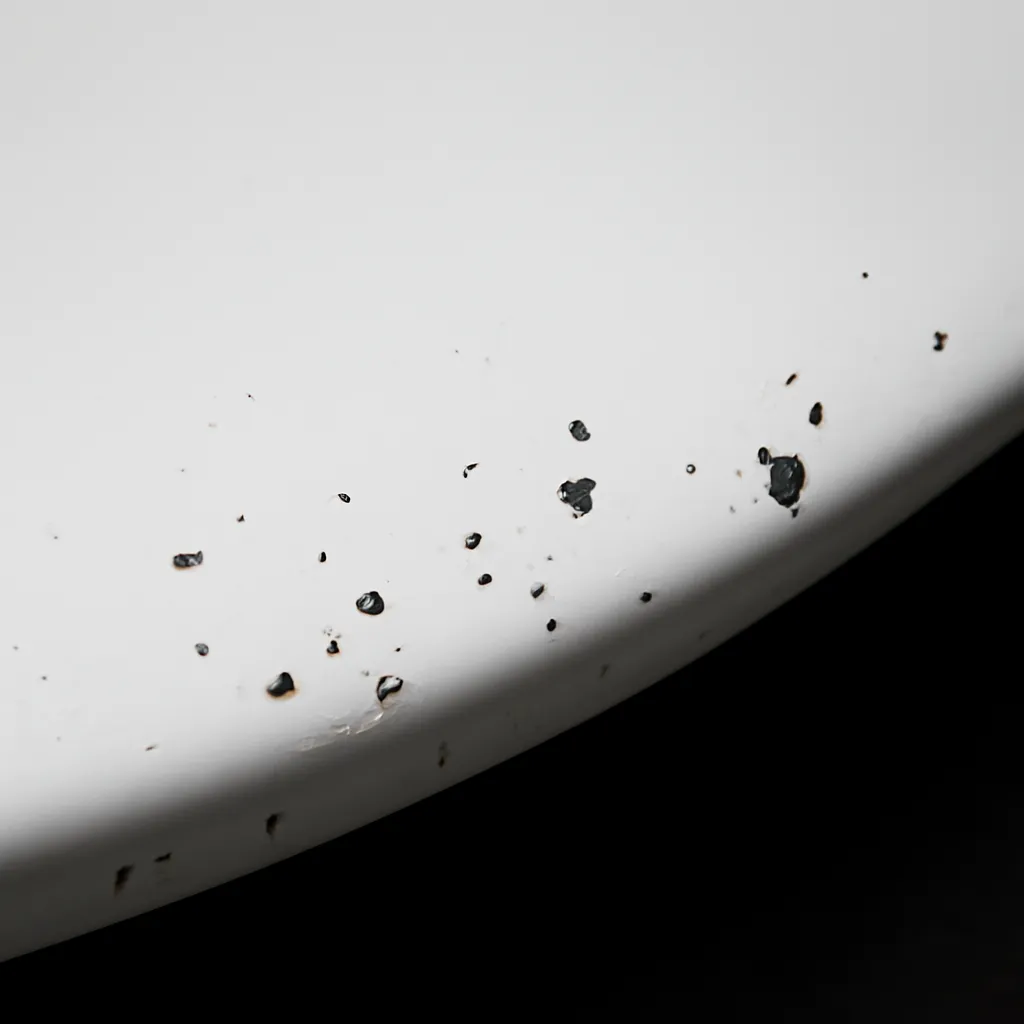
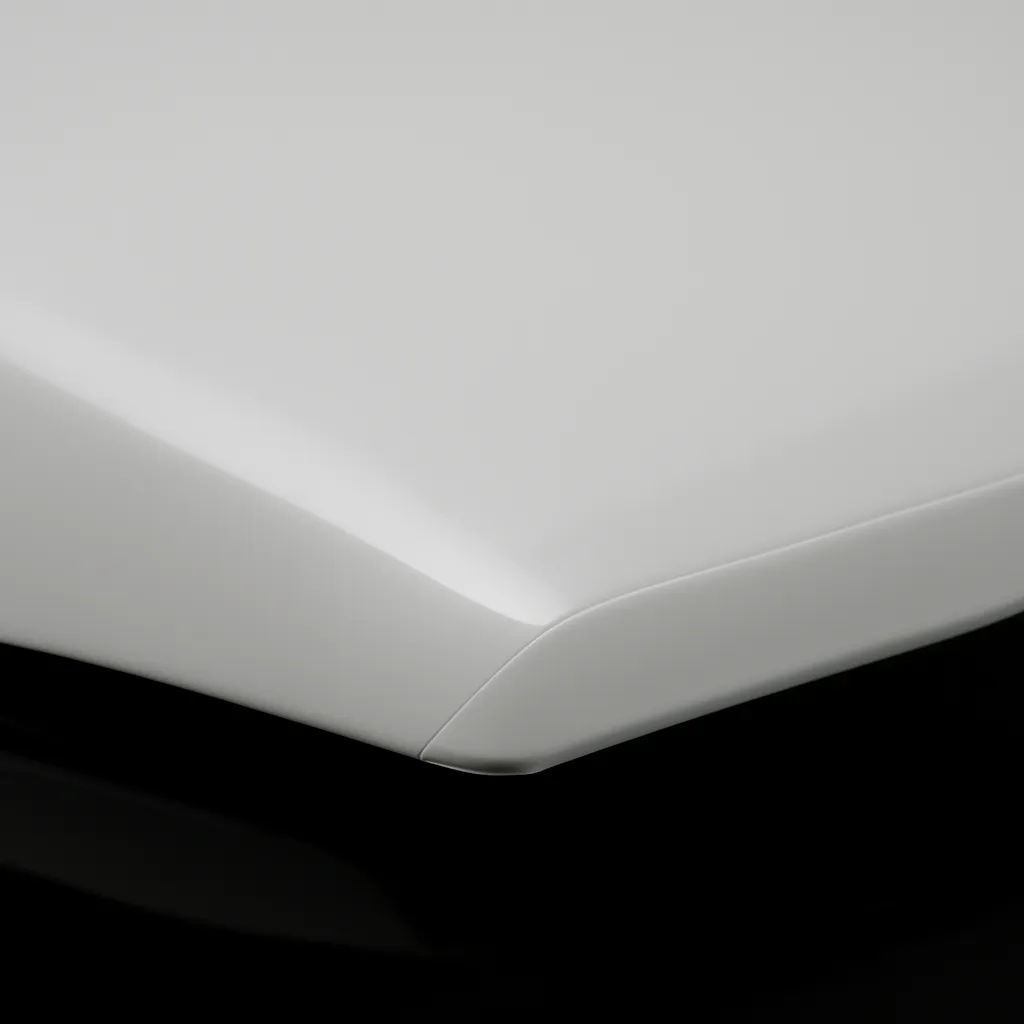
PPF is the right choice if…
Paint protected against the damage that accumulates on every road-driven car.
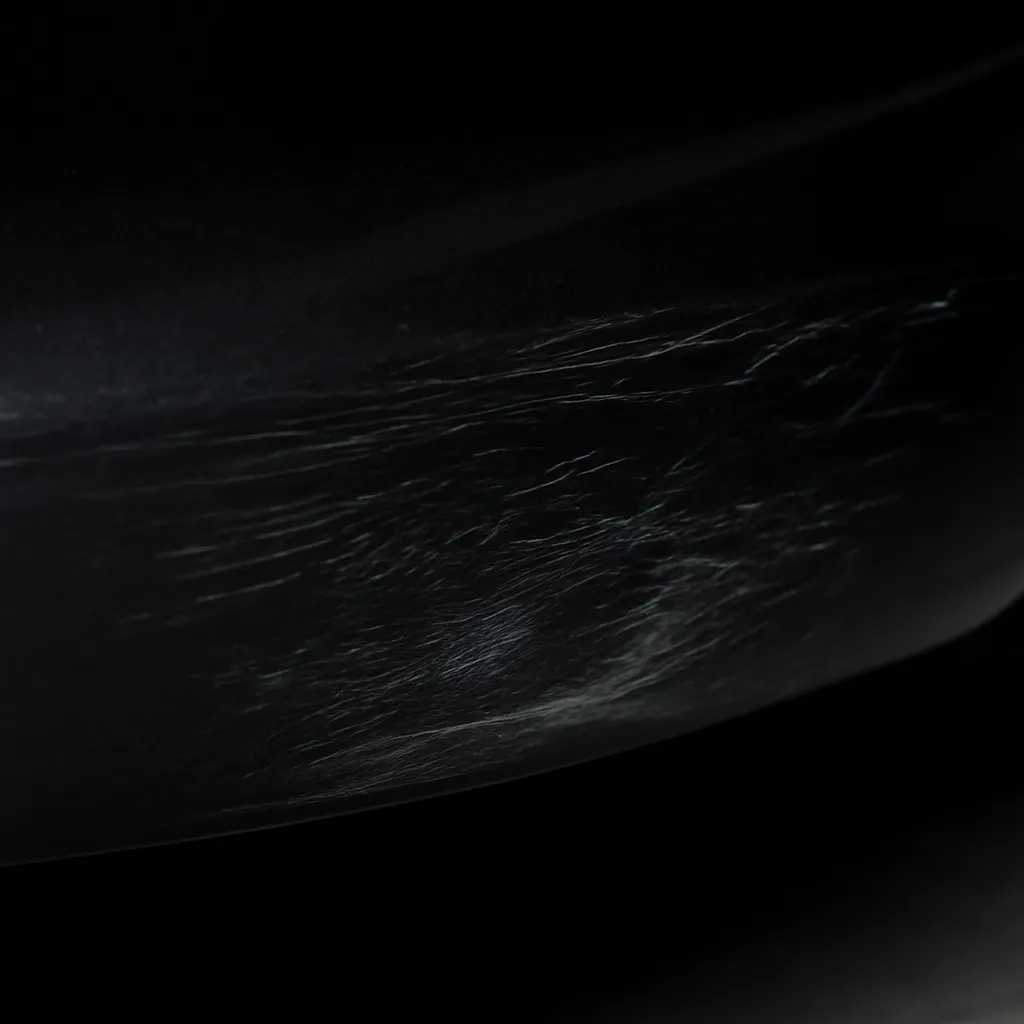
The PPF installation process.
Coverage zones: PPF can be applied to partial coverage (front bumper and hood only) or extended to full front end, mirrors, door edges, rocker panels, and full vehicle. We'll discuss coverage zones during the quote.
Clean surface. Precise cut. Careful installation. Detailed inspection.
Assess paint condition
PPF traps the paint surface underneath it for the duration of installation. Existing defects need to be addressed before the film goes on. We assess this upfront.
Wash and decontaminate
Full decontamination before any film is applied. Contamination trapped under PPF can cause adhesion issues and is difficult to address after installation.
Cut and prepare the film
Film sections prepared for each panel and coverage zone.
Apply the film
Panel by panel in a clean environment. The film is positioned, slip solution used to allow repositioning, then squeegeed into place to remove solution and air.
Edge finishing and trim
Edges finished neatly into natural panel lines wherever possible. Exposed edges wrapped where panel lines aren't available.
Final inspection
Every panel examined for contamination under the film, lifting edges, bubbles, or areas needing attention. Addressed before handover.
Post-install brief
Wash-free period and care instructions explained in full.
Timeline
Partial front-end PPF coverage typically takes one to two days. Full-vehicle PPF installation is a multi-day job. We'll confirm the timeline based on your coverage requirements with the quote.
Pricing
PPF pricing depends on the coverage zone — partial front costs significantly less than full-front or full-vehicle coverage — and the vehicle's size and body complexity. We quote individually. Get a free quote and we'll discuss coverage options and give you a specific figure.
Common questions about PPF.
Related services
Not sure how much coverage you need?
Tell us about your car and the areas you want to protect. We'll walk you through the coverage options and give you a specific quote.